Successful Drug Rehabilitation Options: Commence Your Recovery Journey
Effective drug rehab programs take on an essential role in recovery. They offer structured environments aligned to individual needs. With a focus on bespoke care and proven therapeutic approaches, these programs engage the nuances of addiction. Peer networks and whole-person approaches further enrich the recovery experience. Appreciating what to expect from these programs can be noteworthy for those seeking a fresh start. What key elements support sustained achievement in recovery?
Why Substance Abuse Treatment Services Matter
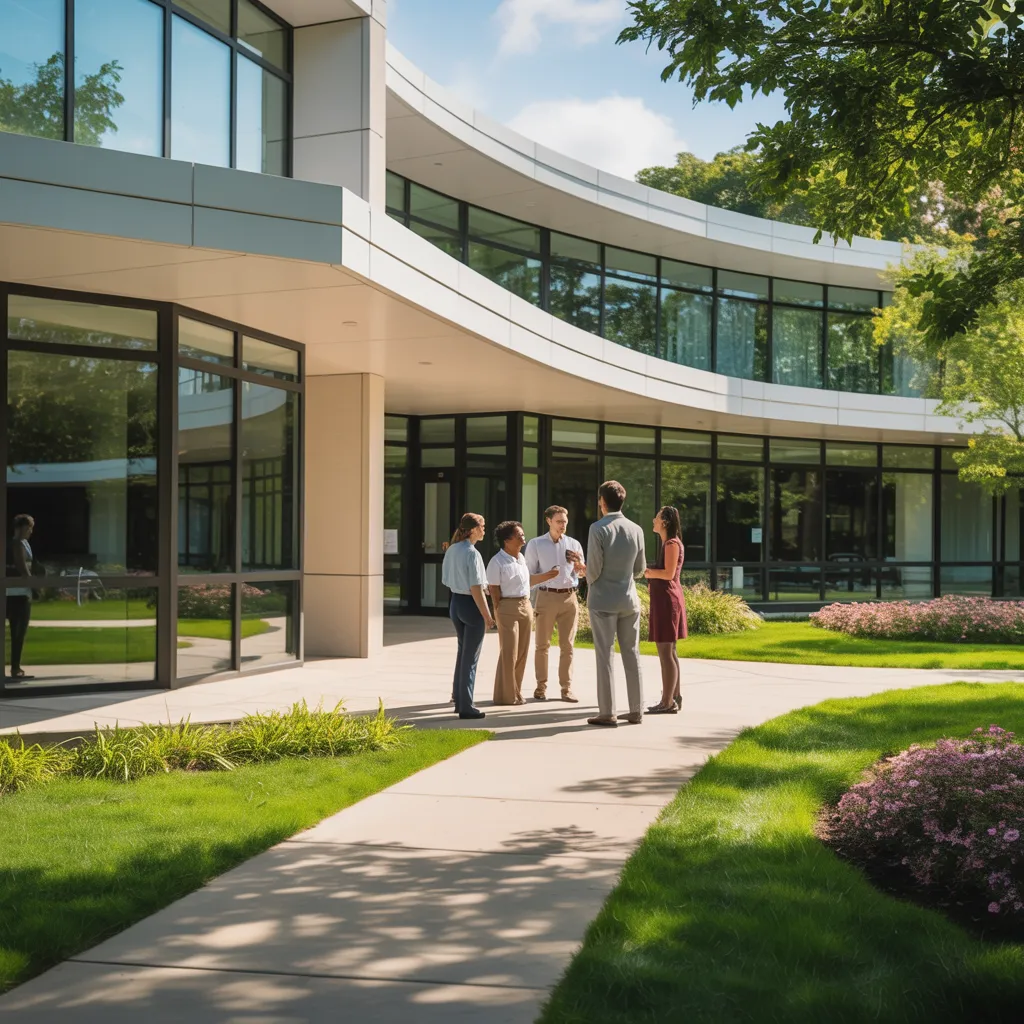
Drug treatment centers are crucial because they supply necessary help and regulated spaces for persons facing substance use disorders. These services emphasize managing the multifaceted character of chemical dependency, delivering a combination of medical, psychological, and social support suited to each individual's specific needs. They establish a protective environment where persons can complete the detox process, obtain therapy, and create coping mechanisms, permitting them to address the fundamental problems driving their substance use.
Furthermore, rehabilitation facilities create a sense of community, linking individuals with fellow members who have comparable backgrounds. This camaraderie not only combats feelings of isolation but also promotes responsibility and motivation. By utilizing scientifically-proven methods and comprehensive strategies, these initiatives meaningfully enhance the chance of long-term recovery. Overall, substance abuse treatment facilities play a vital role in breaking the cycle of addiction, enabling people to take back their lives and seek better tomorrows.
What to Anticipate in a Effective Rehab Program
Persons entering a successful rehabilitation program can expect a thorough and methodical approach to recovery. These offerings commonly begin with a comprehensive appraisal to establish specific goals and challenges. Following this appraisal, members involve themselves in a assortment of therapeutic modalities encompassing individual support, group work, and educational sessions about addiction.
A nurturing atmosphere embodies a cornerstone of effective rehab, encouraging trust and fellowship among individuals. Patients can anticipate consistent evaluation of their progress, which assists in identify opportunities to enhance and celebrate achievements.
Holistic approaches such as meditation and exercise often enhance conventional therapies, promoting overall well-being. Additionally, post-treatment planning is crucial, ensuring individuals have resources and support systems in place for their shift back into daily life. This organized system is designed to provide individuals with the resources and techniques necessary for lasting recovery.
Vital Factors of Tailored Therapy Protocols
Tailored recovery programs are essential for effective drug rehabilitation, as they address the individual needs of each person. A comprehensive assessment process guarantees that therapists can identify specific obstacles, while individualized therapeutic approaches supply personalized treatments. Additionally, ongoing support networks are crucial in sustaining recovery and avoiding relapse.
Complete Review Methodology
Carrying out a detailed assessment process is important when designing efficient treatment plans in drug rehabilitation. This procedure initiates with a thorough evaluation of an individual’s medical history, substance use behaviors, and psychological status. Professionals with training perform interviews and standardized assessments to collect comprehensive data, ensuring the inclusion of all relevant factors. Such information not only assesses the intensity of addiction but also exposes accompanying mental health concerns. In addition, the assessment supports identifying the person’s social support systems and preparedness for change, which are key to adapting interventions. Ultimately, a detailed assessment forms the groundwork for customized treatment strategies, improving the likelihood of a successful recovery and sustained sobriety.
Customized Therapy Options
How might therapy be tailored to satisfy the unique requirements of every patient in recovery? Individualized therapy options play an essential role in efficient drug rehabilitation. By evaluating a person’s individual circumstances, including their history, preferences, and psychological profile, treatment find now plans can be customized. Techniques including cognitive-behavioral therapy (CBT), dialectical behavior therapy (DBT), and motivational interviewing can be purposefully applied to handle different issues. Integrating holistic approaches—such as art therapy, mindfulness, or group sessions—can further support active participation and healing. Regular reassessments ensure that the treatment remains matched with the individual’s changing needs. Ultimately, personalized therapy promotes a sense of empowerment and ownership over the recovery process, greatly increasing the chances of lasting success.
Persistent Coverage Networks
Constructing sturdy continuous assistance frameworks is crucial for individuals in rehabilitation from substance use disorders. These frameworks supply a safety net, promoting accountability and engagement to people who share comparable backgrounds. Community-based support networks, such as Alcoholics Anonymous or Narcotics Anonymous, provide a collective setting that promotes open dialogue and emotional support. In addition, continuous therapeutic treatment can help people tackle underlying issues and create stress management techniques. Family involvement is also crucial, as it strengthens relationships and fosters a supportive home environment. Frequent consultations with healthcare providers guarantee that treatment plans stay current and effective. By integrating these components, continuous assistance frameworks establish a comprehensive framework that improves the likelihood of long-term rehabilitation and personal growth.
Proven Evidence-Based Therapies for Recovery
Effective scientifically-supported therapies are crucial in the path to recovery for people battling addiction. These treatments are grounded in scientific research and clinical practice, ensuring their effectiveness. Cognitive Behavioral Therapy (CBT) is one prominent approach, helping individuals recognize and modify negative thought patterns that contribute to substance use. Motivational Interviewing (MI) also proves advantageous by enhancing a person's motivation to change, facilitating a deeper commitment to recovery.
Moreover, Contingency Management (CM) relies on positive reinforcement to support sobriety, providing tangible rewards for maintaining clean drug tests. Dialectical Behavior Therapy (DBT) works on emotional regulation and interpersonal skills, benefiting those with co-occurring disorders. By combining these evidence-based therapies, treatment programs are capable to implement personalized strategies that address the unique needs of each individual, thereby raising the likelihood of sustained recovery. Ultimately, integrating these therapies builds a solid foundation for long-term healing and personal growth.
Support Networks Enable Rehabilitation throughout Various Ways
Support networks are crucial in the path to healing from drug dependency. Peer support networks provide mutual understanding, while family engagement can provide emotional balance and motivation. Additionally, professional guidance guarantees that individuals obtain the necessary tools and strategies for continuous improvement.
Peer Help Communities
While healing can be a deeply personal path, the presence of peer support groups greatly enhances the journey. These networks comprise individuals who have experienced similar hardships, providing a special platform for sympathy and mutual understanding. Participants often find solace in collective experiences, which creates a sense of connectedness and diminishes feelings of isolation. Peer support promotes accountability, as members inspire one another to stay committed to their recovery goals. Additionally, these relationships can offer practical advice and ways to cope, reinforcing the skills learned in formal treatment. Ultimately, peer support networks act as an important resource, nurturing strength and hope, and greatly contributing to sustained recovery for individuals working to overcome addiction.
Family Participation Rewards
When individuals struggling with addiction involve their loved ones in the healing journey, the advantages may prove profound. Familial participation creates a nurturing atmosphere, which is crucial for recovery. Open communication assists in restoring trust, fortifying bonds that may have been harmed by substance abuse. Families can provide emotional support and encouragement, enabling for people to avoid substance abuse relapse. Additionally, relatives often develop understanding of addiction, enabling them to better understand the difficulties their family members encounter. This united approach not only boosts personal drive but also promotes a sense of accountability. Ultimately, a robust familial backing can significantly enhance the likelihood of sustained sobriety, rendering it an essential element in successful addiction treatment facilities.
Experienced Guidance: An Important Need
Navigating the complexities of substance abuse treatment often demands professional guidance, as trained experts deliver essential insights and strategies tailored to individual needs. These professionals, such as therapists and counselors, help recognize underlying issues contributing to addiction, promoting a greater comprehension of individual struggles. They also equip individuals with stress management tools and strategies to prevent relapse, enhancing their resilience in challenging circumstances.
Support mechanisms including group therapy and peer support continue to bolster the recovery process. Sharing experiences and challenges within a society advances accountability and diminishes feelings of isolation. Overall, professional guidance merged with a powerful support system creates an all-encompassing architecture that markedly enhances the prospects of sustained recovery, empowering individuals to reclaim their lives and advance forward with meaning.
Finding the Perfect Recovery Center for Your Requirements?
How can someone guarantee they select the most suitable rehab establishment for their specific needs? First, people should assess their personal circumstances, including the kind of substance involved and any co-occurring psychological disorders. Studying centers that specialize in these areas can considerably enhance the prospects of a successful recovery.
Next, it's important to analyze the facility's clinical methodology. Different organizations may stress various methods, like cognitive-behavioral therapy or holistic treatments. Additionally, the position and context of the rehab facility can determine contentment and incentive during recovery.
Examining the skills and expertise of personnel is vital as well. Licensed programs with licensed professionals guarantee a higher standard of care. Finally, requesting testimonials from former clients can provide important perspectives into the effectiveness and environment of the facility, leading people toward a choice that corresponds to their recovery goals.
Subsequent Measures After Rehab
Concluding a rehab program marks a major accomplishment, but the journey toward sustained recovery extends past those walls. Individuals must take active measures to maintain their progress. Creating a strong support network is vital; this may include family, friends, and support groups such as Alcoholics Anonymous or Narcotics Anonymous. These networks offer motivation and responsibility.
Additionally, creating a well-organized routine can support people avoid triggers and cultivate a sense of normalcy. Engaging in healthy activities, such as exercise or pastimes, can also promote mental well-being.
Ongoing therapy, whether individual or group, can address root causes and reinforce coping strategies. Monitoring one's mental and emotional health is crucial, as setbacks can occur. Ultimately, adopting continuous learning about substance abuse and rehabilitation can equip individuals to navigate their transformed existence and maintain their commitment to sobriety. By taking these steps, they can create a rewarding, substance-free life.
Often Posed Topics
What Price Can You Expect for Drug Rehab?
Rehab costs typically falls from $1,000 to $30,000 per month, contingent on elements such as location, facility, and intensity of care. Health insurance can substantially influence out-of-pocket costs for individuals receiving treatment.
Can I Transport Personal Items to Rehabilitation?
Yes, people can frequently bring personal items to rehab, but restrictions may occur. It's advisable to consult the specific facility's guidelines to guarantee compliance and to know what items are allowed during the stay.
Can you locate age-specific rehabilitation programs nearby?
Yes, age-appropriate rehabilitation programs are accessible, crafted to fulfill the particular requirements of different age categories. These programs commonly address developmental stages, delivering personalized support and treatment strategies for children, adolescents, and adults.
What if I Struggle with Relapse After Recovery Program?
A relapse after rehab may occur; it's vital to see it as portion of the recovery process. Obtaining support, reexamining methods, and possibly going back to treatment can enable individuals to recover their momentum and continue their journey.
What Is the Standard Timeline of Most Rehab Programs?
Most recovery programs ordinarily last between 30 to 90 days, though some may go longer. The duration often depends upon individual needs, desired outcomes, and the exact substance being handled during the recovery process.